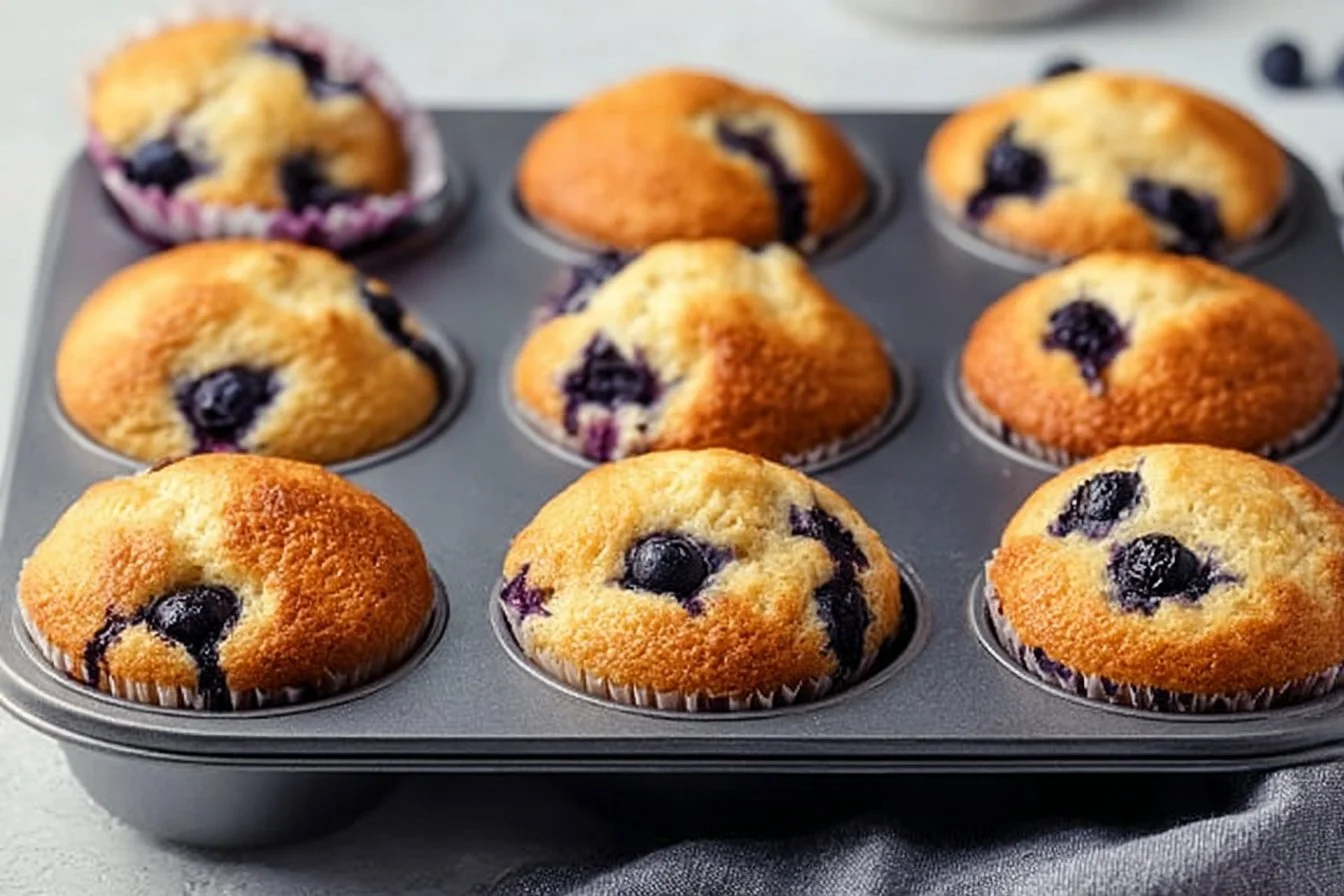

The first warm slice of Irish soda bread is a small, heavy promise of comfort. The crust gives a faint crackle as you press a finger into it, and steam rises with a yeasty, slightly sweet scent. Inside, the crumb is dense but tender, with a creamy mouthfeel from buttermilk and little pops of chewy raisins or tart cranberries if you choose to add them. This bread smells like home: buttery, slightly tangy, and faintly sweet. It works as a quick breakfast with honey or jam, a savory side to a stew, or a cozy snack with a sharp cheddar. On rainy afternoons or busy mornings, soda bread brings warmth and calm to the table.
Irish soda bread is humble and honest. It asks for no yeast, no long rises, and no special skills—only a good mixing bowl, cold butter, and cold buttermilk. The texture is rustic: a thick, golden crust that keeps the interior moist, with a tender, slightly grainy crumb that soaks up butter and soups alike. The tang of the buttermilk brightens the bread and balances the sugar. Scoring the top with a deep “X” gives the loaf a classic rustic look and helps the center cook through while letting the steam escape.
This recipe fits many occasions. Serve it at a casual brunch with soft eggs and smoked salmon. Bring a warm loaf to a neighbor with a pot of soup on a chilly evening. Slice it thick for sandwiches, or toast it and top with jam for a simple dessert. If you love easy recipes and honest flavors, you will return to this loaf again and again. For a festive twist, pair it with a cheesy pull-apart or a rich side like a creamy mac and cheese; try our Baked Cranberry Brie Pull-Apart Bread for a holiday table idea.
Why You Will Love This Recipe
-
Quick and simple to make.
- This bread needs no yeast or long rising time. You mix, shape, and bake—no waiting. It’s a perfect weekday bake when you want fresh bread fast.
-
Uses pantry staples.
- Most ingredients live in a basic pantry: flour, sugar, baking soda, salt, butter, and buttermilk. No specialty items mean it’s easy to make any time.
-
Rustic, satisfying texture.
- The crust is golden and slightly crisp while the inside stays tender and creamy. The crumb is dense but not heavy, perfect for butter or a bowl of stew.
-
Flexible and forgiving.
- You can add raisins or cranberries, use kefir instead of buttermilk, or leave it plain. The dough is forgiving as long as you don’t overmix.
-
Budget-friendly and kid-approved.
- This recipe stretches basic ingredients into a big loaf that feeds many. Kids often love the soft, slightly sweet crumb and the fun of scoring the “X” on top.
-
Great for many meals and occasions.
- Serve it with soups, salads, breakfast spreads, or cheese boards. It works for simple family dinners and for bringing to friends.
-
No special equipment needed.
- A cast-iron skillet or baking sheet works. You don’t need a mixer—just your hands and a wooden spoon.
-
Keeps and freezes well.
- Enjoy fresh for a couple of days, refrigerate for up to a week, or freeze slices for later. Reheating brings back the fresh-baked taste.
Ingredients Needed
- 4 cups all-purpose flour (plus 1/4 cup more for dusting)
- 1/4 cup granulated sugar
- 1 tsp sea salt
- 1 tsp baking soda
- 6 Tbsp cold unsalted butter (plus 1/2 Tbsp to grease pan)
- 1 3/4 cups cold lowfat buttermilk or kefir
- 1 large egg (cold)
- 1 cup raisins or dried cranberries (optional)
Below is a helpful breakdown of every main ingredient, what to buy, and why each matters.
-
All-purpose flour:
- What to buy: A good, fresh bag of all-purpose flour from a reliable brand. Look for a flour with a neutral scent and a use-by date far in the future. Avoid old flour that smells slightly musty.
- Why it matters: All-purpose flour gives the right balance of protein for a tender but structured crumb. Bread flours can make the loaf chewier; cake flours make it crumbly. If you need to substitute, try a 1:1 gluten-free baking blend designed for quick breads—expect a slightly different texture.
-
Granulated sugar:
- What to buy: Regular white granulated sugar is fine; superfine sugar blends in faster, but not necessary here.
- Why it matters: Sugar adds a touch of sweetness and helps brown the crust. The amount is small, so the bread stays mostly savory-tangy rather than a sweet bread.
-
Sea salt:
- What to buy: Use fine sea salt or kosher salt measured by volume—if using flaky finishing salt, reduce slightly.
- Why it matters: Salt enhances flavor and balances the tang of buttermilk. It also strengthens the flour’s structure slightly, helping the dough hold together.
-
Baking soda:
- What to buy: Fresh, active baking soda is essential—old soda loses power.
- Why it matters: Baking soda reacts with the acidity in buttermilk or kefir to create carbon dioxide, the lift that soda bread relies on. Without fresh soda, the loaf will be dense and flat.
-
Cold unsalted butter:
- What to buy: Unsalted butter keeps the salt level consistent. Use real butter for flavor; European-style butter gives extra richness.
- Why it matters: Cold butter creates small pockets in the dough as it melts in the oven, contributing to a tender crumb and flaky bits near the crust. If you use salted butter, reduce other salt slightly.
-
Cold lowfat buttermilk or kefir:
- What to buy: Lowfat buttermilk from the dairy section or a plain kefir in the refrigerator. If you can’t find buttermilk, make a quick substitute: 1 cup milk + 1 Tbsp lemon juice, rested 5–10 minutes (this is less tangy than real buttermilk).
- Why it matters: The acid in buttermilk activates the baking soda and gives the bread its characteristic tang. Cold liquid keeps the butter from melting during mixing, which helps texture.
-
Large egg (cold):
- What to buy: A fresh large egg, straight from the fridge.
- Why it matters: The egg adds richness and structure, helping the loaf hold together with a finer crumb. Keep it cold for the same reason as the butter: to slow melting during mixing.
-
Raisins or dried cranberries (optional):
- What to buy: Plump raisins or tart dried cranberries. If the dried fruit looks hard or old, soak them in warm water for 10 minutes and drain before adding.
- Why it matters: Dried fruit adds sweet or tart bursts in each bite. They are optional but traditional in many Irish families. You can skip them or substitute chopped dried apricots or currants.
How To Make Irish Soda Bread Recipe
Before you begin the numbered directions, read this narrative guide to understand what each step feels like and why it matters. Start by setting your oven to 375˚F so it reaches temperature while you mix; a hot oven gives an immediate rise and a good crust. Grease your 10” cast-iron skillet with a thin smear of butter—this helps the bottom brown and prevents sticking.
Combine dry ingredients in a large bowl and whisk briefly. When you cut the cold butter into the flour with your fingers, fork, or a pastry cutter, aim for pea-sized bits. The dough should look like coarse crumbs. These butter pieces create pockets of steam in the oven that bake into small flakes and tender bits inside the bread. If you add raisins or cranberries, stir them in now so they distribute evenly.
Make a well in the center of the dry mix. In a separate measuring cup, whisk the cold buttermilk and egg together. Cold liquid keeps the butter cold and prevents overworking the dough. Pour the wet into the dry and use a wooden spoon to bring the dough together just until it looks moistened—do not overmix. Overmixing activates the gluten too much and makes bread tough. The dough will be shaggy and slightly sticky; that is good.
Turn the dough onto a lightly floured surface and gently pat into a round. Handle it only enough to shape; a light touch keeps the crumb tender. If the dough sticks badly, dust your hands and the surface lightly with the extra 1/4 cup flour. Place the shaped loaf in your buttered skillet and press a deep “X” across the top with a sharp knife—this classic mark helps the center cook and gives the loaf its signature look.
Bake in the center of the oven until the crust is deep golden brown and a tap on the bottom sounds hollow. If you use an instant-read thermometer, the center should be around 190–200˚F. Let the loaf cool on a rack for at least 20–30 minutes before slicing; the crumb finishes setting as it cools. Enjoy warm with butter, jam, or a bowl of soup.
Directions:
- Preheat oven at 375˚F. Generously grease a 10” cast-iron skillet with 1/2 Tbsp butter.
- In a large mixing bowl, whisk together flour, sugar, salt, and baking soda. Cut butter into small pieces and use your fingers to work the butter into the flour until crumbs form stir in the raisins, breaking up any clumps of raisins. Make a well in the center.
- In a large measuring cup, whisk together the buttermilk and egg then add this mixture into the flour mixture. Use a wooden spoon and mix just until lightly moistened and dough barely starts to come together.
- Transfer to a floured surface and use floured hands to shape the dough just until it forms into a round loaf. It should be shaggy. If it’s too sticky to handle, dust lightly with flour. Do not over-mix or bread will be tough.
- Transfer to the buttered pan, use a knife to score the top with a large and deep “X”. Bake in the center of your preheated oven at 375 for 50-55min. When you tap on the bread, it should sound hollow inside. Transfer bread to a wire rack to cool. Enjoy within 2 days of making it and refrigerate leftovers up to a week.
Expert Tips for Success
-
Keep butter and liquids cold.
- Cold butter creates flaky pockets and prevents the dough from becoming greasy. Use cold buttermilk and a cold egg straight from the fridge.
-
Measure flour correctly.
- Spoon the flour into the measuring cup and level it off. Scooping directly can pack flour and make the dough too heavy.
-
Do not overmix.
- Mix only until the dough just comes together. Overworking develops gluten and leads to a tough, dense loaf.
-
Score deeply.
- Cut a large, deep “X” on top to help the center cook and to create the classic look. A shallow cut may close over and prevent even baking.
-
Use a cast-iron skillet if you have one.
- Cast iron holds heat and gives a better crust. If you don’t have one, a heavy baking sheet or ovenproof dish works too.
-
Check for doneness by sound or temperature.
- Tap the bottom of the loaf; it should sound hollow. For accuracy, the center should reach about 190–200˚F.
-
Cool before slicing.
- Wait at least 20–30 minutes to let the crumb set. Slicing too early yields a gummy texture.
-
Soak dried fruit if old or hard.
- Soak raisins or cranberries briefly in warm water, then drain to plump them up and prevent them from pulling moisture from the dough.
Variations and Substitutions
-
Savory cheddar and chive soda bread:
- Reduce sugar to 1–2 tsp, fold in 1 to 1 1/2 cups grated sharp cheddar and 2–3 Tbsp chopped fresh chives. This makes a great side for soups and stews.
-
Spiced fruit soda bread:
- Add 1 tsp ground cinnamon and 1/2 tsp nutmeg. Use dried apricots or a mix of raisins and chopped dates for a warm, spiced loaf.
-
Gluten-free soda bread:
- Use a high-quality 1:1 gluten-free flour blend with xanthan gum. Keep the dough slightly wetter and handle gently; bake until a toothpick comes out clean and the top is golden.
-
Dairy-free version:
- Substitute a plant-based buttermilk: 1 3/4 cups unsweetened soy or oat milk plus 1 3/2 Tbsp lemon juice or apple cider vinegar, mixed and rested 5 minutes. Use cold vegan butter or coconut oil cut into the flour.
-
Add vegetables:
- For extra texture, fold in 1 cup finely grated zucchini (squeeze out excess moisture) or 1/2 cup finely grated carrot. These add moisture and subtle sweetness—great for a brunch spread.
What To Serve With Irish Soda Bread Recipe
-
Breakfast pairings:
- Thick slices with salted butter and honey, or cream cheese and smoked salmon make a simple, elegant breakfast. Soft scrambled eggs and a side of sautéed tomatoes work well too.
-
Lunch ideas:
- Use sliced soda bread for open-faced sandwiches with roasted turkey and grainy mustard. It also pairs well with a crisp salad and a smear of herb butter.
-
Dinner companions:
- Serve warm slices alongside a slow-cooked beef stew, lamb stew, or a hearty vegetable soup. The dense crumb soaks up broths and gravies perfectly.
-
Cheese and charcuterie:
- Strong cheddars, aged gouda, or a tangy blue cheese pair beautifully. Add pickles and apple slices for contrast.
-
Drinks:
- A robust black tea or a milky latte for breakfast; a light, crisp beer or a dry cider with dinner. For a cozy night, a warm mulled cider or a glass of red wine works well.
-
Sweet finish:
- Toast a slice and top with jam or marmalade for dessert. For something richer, spread with ricotta and honey and a sprinkle of chopped nuts.
For a festive spread that pairs well with this bread, try serving alongside a rich casserole like our creamy creamy baked mac and cheese for an indulgent meal.
Storage and Reheating
-
Short term (room temperature):
- Wrap the cooled loaf in a clean kitchen towel and keep in a bread box or a loosely sealed paper bag for up to 2 days. The cloth lets the crust stay slightly crisp while preventing it from drying out too fast.
-
Refrigerator:
- Slice the loaf and store in an airtight container in the fridge for up to a week. Refrigeration slows staling but can make the crumb firmer; reheat before serving.
-
Freezing:
- Slice the bread and wrap each slice in plastic wrap, then place slices in a freezer bag. Freeze up to 3 months. Thaw slices at room temperature or toast them directly from frozen.
-
Reheating:
- For best texture, reheat slices in a toaster or a dry skillet over medium heat to crisp the crust. To refresh a whole loaf, wrap in foil and bake at 300˚F for 10–15 minutes, or until warmed through. Avoid microwaving whole slices, as this can make them gummy.
FAQs
-
Can I make Irish soda bread without buttermilk?
- Yes. Use a mixture of cold milk (or plant-based milk) plus 1 Tbsp lemon juice or vinegar per cup to mimic buttermilk. It will be less tangy but still work because you need acidity to react with baking soda.
-
Why did my soda bread come out dense?
- Likely reasons: old baking soda, overmixing the dough, or too much flour. Use fresh baking soda, mix gently until just combined, and measure flour correctly.
-
Can I use a mixer to make this bread?
- You can use a stand mixer with the paddle on low to cut in butter, but hands or a pastry cutter give better control. Avoid heavy mixing.
-
How do I test if the bread is done?
- Tap the bottom—if it sounds hollow, it’s done. Alternatively, an instant-read thermometer should register around 190–200˚F in the center.
-
Can I make smaller rolls instead of one loaf?
- Yes. Shape the dough into smaller rounds and bake for 20–30 minutes, checking often. Smaller pieces will bake faster and can be a great option for individual servings.
Final Thoughts
This Irish soda bread is simple, honest, and full of heart. It brings comfort to the table with little work and big flavor, and it adapts easily to what you have on hand. Try it plain, with fruit, or savory with cheese—the warm loaf will make any meal feel cozier. Now preheat that oven and enjoy the smell of fresh bread filling your kitchen.
Conclusion
For a classic take and a few helpful variations, this Super Simple Irish Soda Bread | Alexandra’s Kitchen post offers a lovely reference and inspiration.
If you liked this recipe, please share it and follow us on Pinterest: https://www.pinterest.com/sweetsimpleeats/
Print
Irish Soda Bread
- Total Time: 70 minutes
- Yield: 1 loaf (about 10 servings) 1x
- Diet: Vegetarian
Description
This easy Irish soda bread is quick to make, requiring no yeast or long rises, and is perfect for breakfast, as a snack, or alongside soups.
Ingredients
- 4 cups all-purpose flour (plus 1/4 cup more for dusting)
- 1/4 cup granulated sugar
- 1 tsp sea salt
- 1 tsp baking soda
- 6 Tbsp cold unsalted butter (plus 1/2 Tbsp to grease pan)
- 1 3/4 cups cold lowfat buttermilk or kefir
- 1 large egg (cold)
- 1 cup raisins or dried cranberries (optional)
Instructions
- Preheat oven at 375°F. Generously grease a 10” cast-iron skillet with 1/2 Tbsp butter.
- Whisk together flour, sugar, salt, and baking soda in a large bowl. Cut butter into small pieces and incorporate into flour until crumbs form, then stir in raisins if using.
- Make a well in the center of the dry mix.
- In a separate cup, whisk together buttermilk and egg, then add to the flour mixture. Mix just until lightly moistened; do not overmix.
- Transfer the dough to a floured surface and shape it into a round loaf, handling it gently.
- Place the loaf in the buttered pan, scoring the top with a deep “X”.
- Bake for 50-55 minutes until the crust is golden brown and sounds hollow when tapped. Cool on a rack before slicing.
Notes
For best texture, keep ingredients cold and do not overmix the dough.
- Prep Time: 15 minutes
- Cook Time: 55 minutes
- Category: Bread
- Method: Baking
- Cuisine: Irish
Nutrition
- Serving Size: 1 slice
- Calories: 200
- Sugar: 5g
- Sodium: 350mg
- Fat: 8g
- Saturated Fat: 4g
- Unsaturated Fat: 4g
- Trans Fat: 0g
- Carbohydrates: 34g
- Fiber: 2g
- Protein: 5g
- Cholesterol: 25mg